

Choosing human hair extensions is not only about length, grams, or a pretty product photo. In a real salon, the best extension is the one that blends under mirror light, brushes smoothly after washing, supports the stylist’s method, and gives the wearer a calm, natural feeling in daily life. This guide focuses on practical salon selection: principle education, scene-based judgment, hands-on sample testing, daily care, stock planning, and sample inquiry.
01 / Principle Education
First Understand Why Human Hair Extensions Behave Differently
A good extension service starts long before installation. It starts when a stylist touches the hair, checks the direction of the fiber, studies how the ends fall, and imagines the result after the first wash. The reason is simple: extension hair is not connected to the scalp anymore, so it does not receive natural oil from the root. Because of that, the mid-lengths and ends become the true testing area. If the ends already feel dry, hollow, or stiff in the sample stage, the final service will usually need more styling effort to look soft.
This is why professional teams should avoid choosing only by catalog photos. A product image can show color family and method type, but it cannot show movement after shampoo, the sound of the brush passing through the ends, or the way the hair settles on a shoulder. The most useful judgment happens through touch, light, water, heat, and time. A sample should be brushed, washed, blow-dried, curled, and checked again under different lighting before it becomes a regular salon stock item.
The attachment method also changes the wearing experience. Tape in extensions distribute hair in flat panels. Wefts build fullness in rows. I tips create separated strand movement. Keratin tips can support long-wear strand placement. Each method has its own logic, so the question should not be “which product looks best online?” but “which structure solves this service problem with the least compromise?”
In other words, extension quality is not a single parameter. It is a chain of details: cuticle direction, hair selection, processing control, attachment construction, color blending, end density, packaging consistency, and aftercare guidance. When these details work together, the stylist feels less pressure during installation and the final wearer feels more natural in daily movement.
02 / Scene-Based Judgment
Choose by Real Salon Scenes, Not by Product Names Alone
A salon does not sell “a pack of hair” in the client’s mind. It sells a morning when the hair still looks polished after a quick brush. It sells a wedding trial where the curls stay soft in photos. It sells a color correction alternative when natural hair cannot take more lightening. Therefore, the buying decision should begin with the moment the hair must perform.
For a fast volume appointment, the priority is usually flatness and timing. The stylist wants a method that can be placed cleanly, blended quickly, and explained clearly. In that case, tape in extensions are often easier to build into a predictable menu. The result should sit close to the head, especially around the side profile, because visible bulk will make even beautiful hair look artificial.
For a full transformation, the priority changes. The stylist needs enough coverage through the back and sides, a smooth weight distribution, and a clear plan for blending the natural ends. Wefts often make sense here because rows can create a fuller shape. However, the row must be planned with natural density in mind. Too much hair on fine sections may look impressive in a before-and-after photo but feel heavy in daily wear.
For detailed movement around temples, sides, or a high ponytail, strand methods may be more useful. I tip and keratin tip methods allow smaller placement decisions. They can help when the goal is not only thickness, but also natural swing. The stylist can place more hair where the shape needs support and less hair where the scalp or natural density requires softness.
A practical salon sourcing plan should therefore group products by service scene: fast finish, full transformation, detailed movement, color enhancement, and event styling. Once the scenes are clear, product selection becomes more confident and inventory becomes easier to manage.
03 / Method Logic
A Simple Method Map for Salon Decision-Making
Fast Finish
Use when the salon needs efficient volume, face-frame color, or a quick service with clear aftercare. Tape in and clip in formats often fit this role.
Full Transformation
Use when the service needs visible length, density, and shape change. Hand tied, machine, genius, and other weft structures can support this type of work.
Detailed Movement
Use when placement needs to be flexible around fine areas, hairlines, or ponytail movement. I tip and keratin tip methods are useful for this logic.
04 / Product Entry Points
Product Pages Should Guide Action, Not Interrupt Reading
The following product entries are designed for reading efficiency and site navigation. Each full image is clickable and leads directly to the corresponding product page. The button below each image repeats the same destination, so readers can act without searching the page again.
 View Tape In Product →
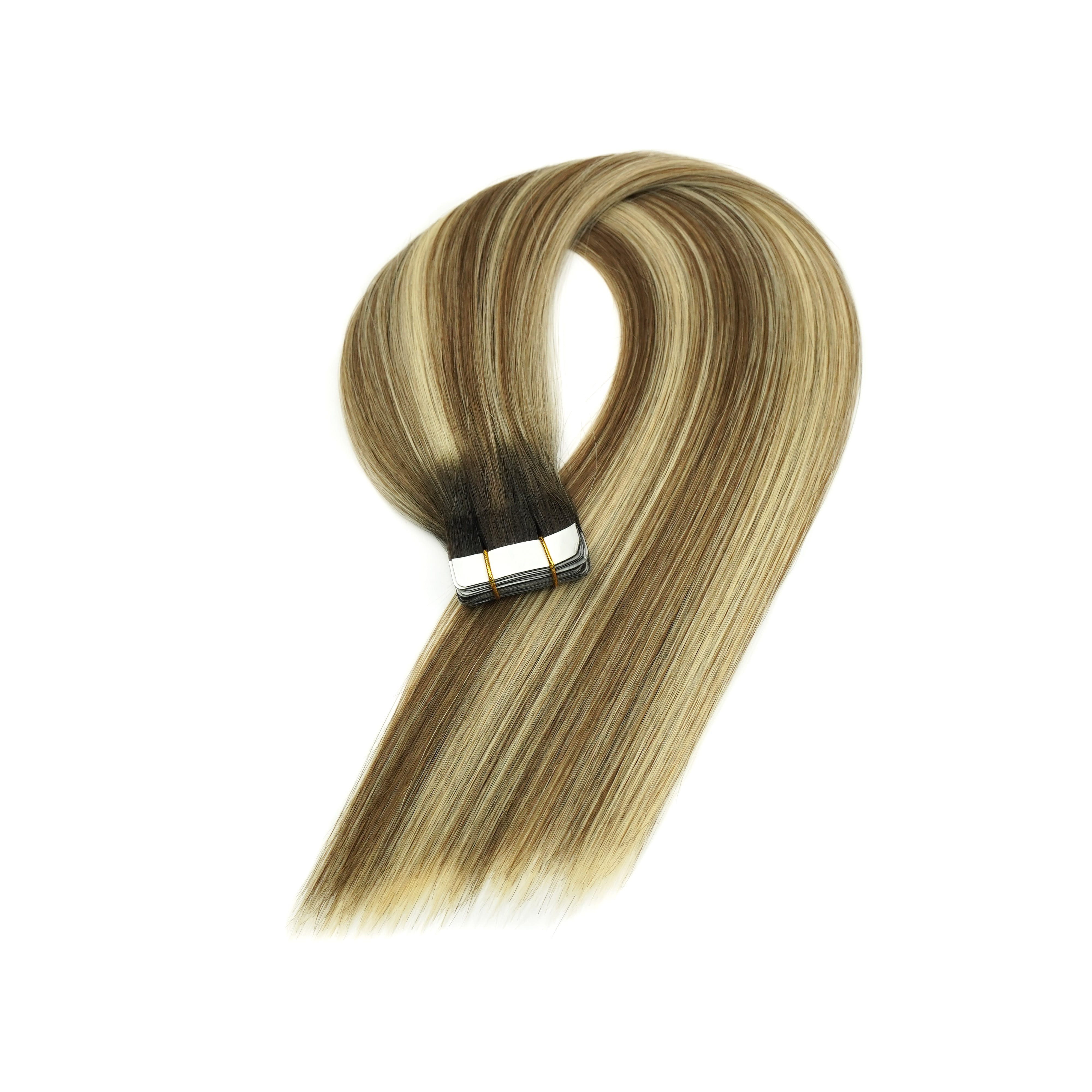
 Tape In: for quick volume, soft color accents, and flat salon finishes
Tape in extensions are usually chosen when the appointment needs speed and a clean surface. The “sandwich” placement feels easy to explain, and the finished result can sit very flat when sectioning is correct. This makes tape in a practical choice for volume refreshes, soft length, and low-commitment color enhancement.
The key judgment is not only whether the hair feels smooth in the hand. The stylist should also check whether the tab area stays neat, whether the panel feels too heavy near the root, and whether the color looks natural around the face. Since tape in pieces often appear close to the visible hairline, shade selection matters greatly.
Experience tip: after applying a sample piece on a mannequin or test section, move the hair forward, tuck it behind the ear, and check the side profile. If the tab shape or color transition becomes obvious from the side, the final service may need a different shade, smaller sectioning, or a softer placement plan.
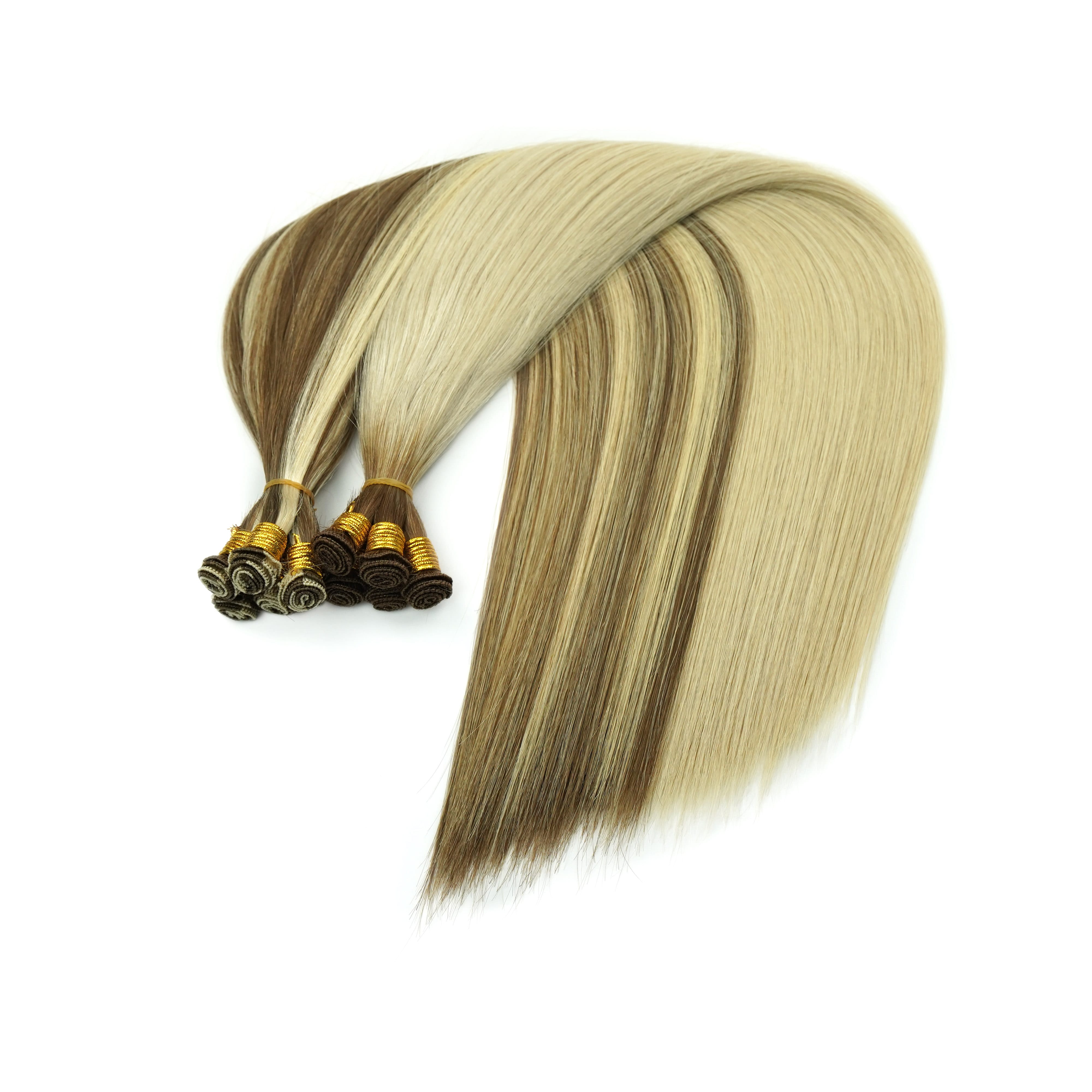
Hand Tied Weft: for lightweight rows and refined movement
Hand tied wefts are often valued for a softer row feeling. They can help build fullness without making the attachment area look overly thick. This is useful for salons that focus on natural movement, layered finishing, and premium row work.
The most important check is how the row behaves when the hair moves. A beautiful row should not only look good when the hair is down. It should still feel comfortable when the wearer turns the head, lifts the hair, or styles a loose wave. If the row feels stiff during movement, the installation plan or product choice may need adjustment.
Experience tip: before ordering large quantities, test at least one lighter shade and one darker shade. Blonde shades reveal dryness and uneven end density more clearly, while brunette shades help check shine, depth, and natural movement under salon light.
 View Hand Tied Weft →
  View Genius Weft →
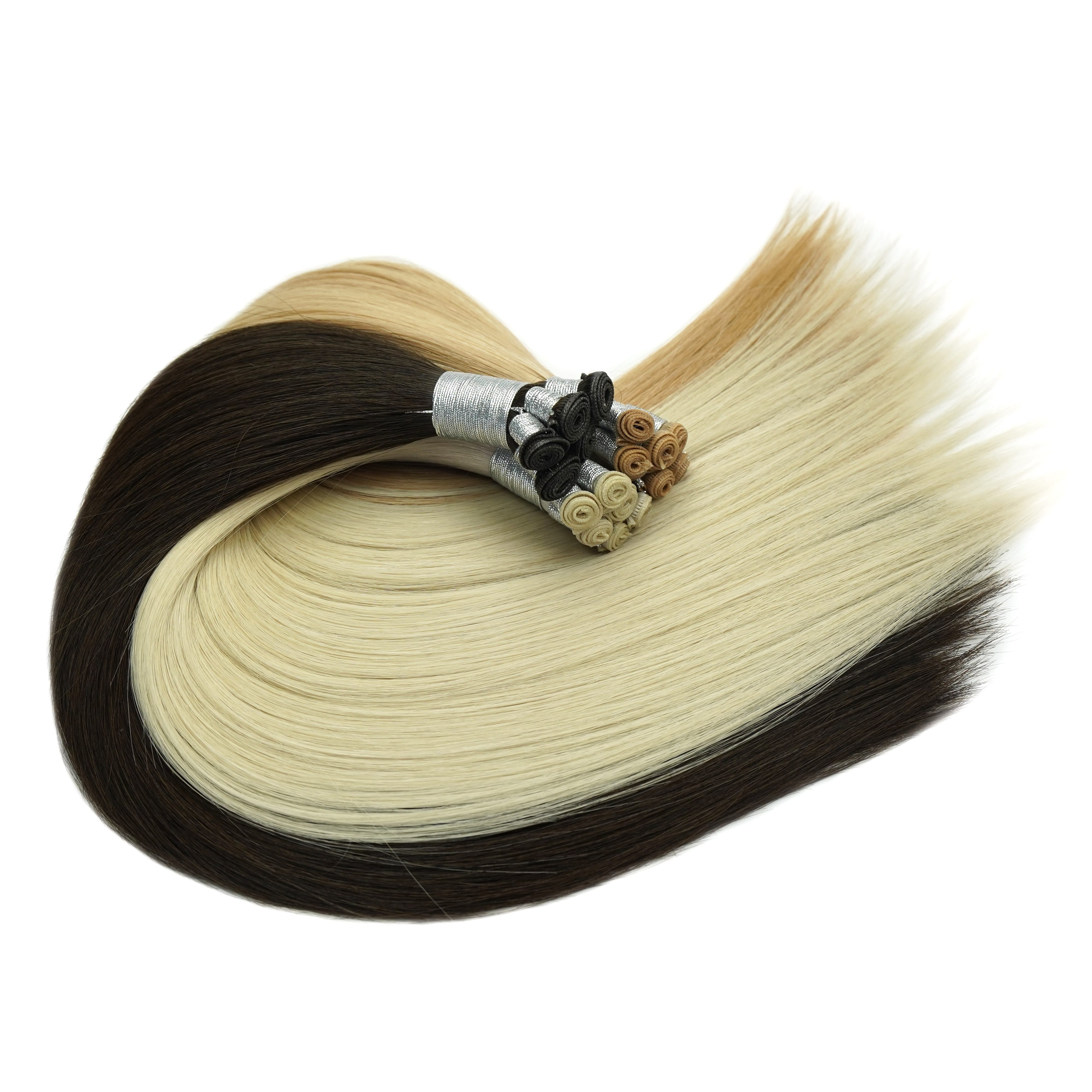
 Genius Weft: for flat rows, custom width, and flexible blending
Genius weft is useful when a salon wants a flatter row but also needs more flexibility during shaping. The service may require shorter pieces near the temples, a cleaner curve at the nape, or stacked fullness through the back. In these situations, the product should support custom placement without creating unnecessary bulk.
The strongest advantage appears during mapping. A stylist can plan the head shape more carefully instead of forcing one standard row width into every area. This is especially helpful when the wearer has uneven density, a smaller head shape, or a haircut that needs very specific end support.
Experience tip: after cutting or customizing a sample row, brush the seam, shake the hair gently, and check whether the edge stays stable. A flat row should still feel reliable after real handling, not only before installation.
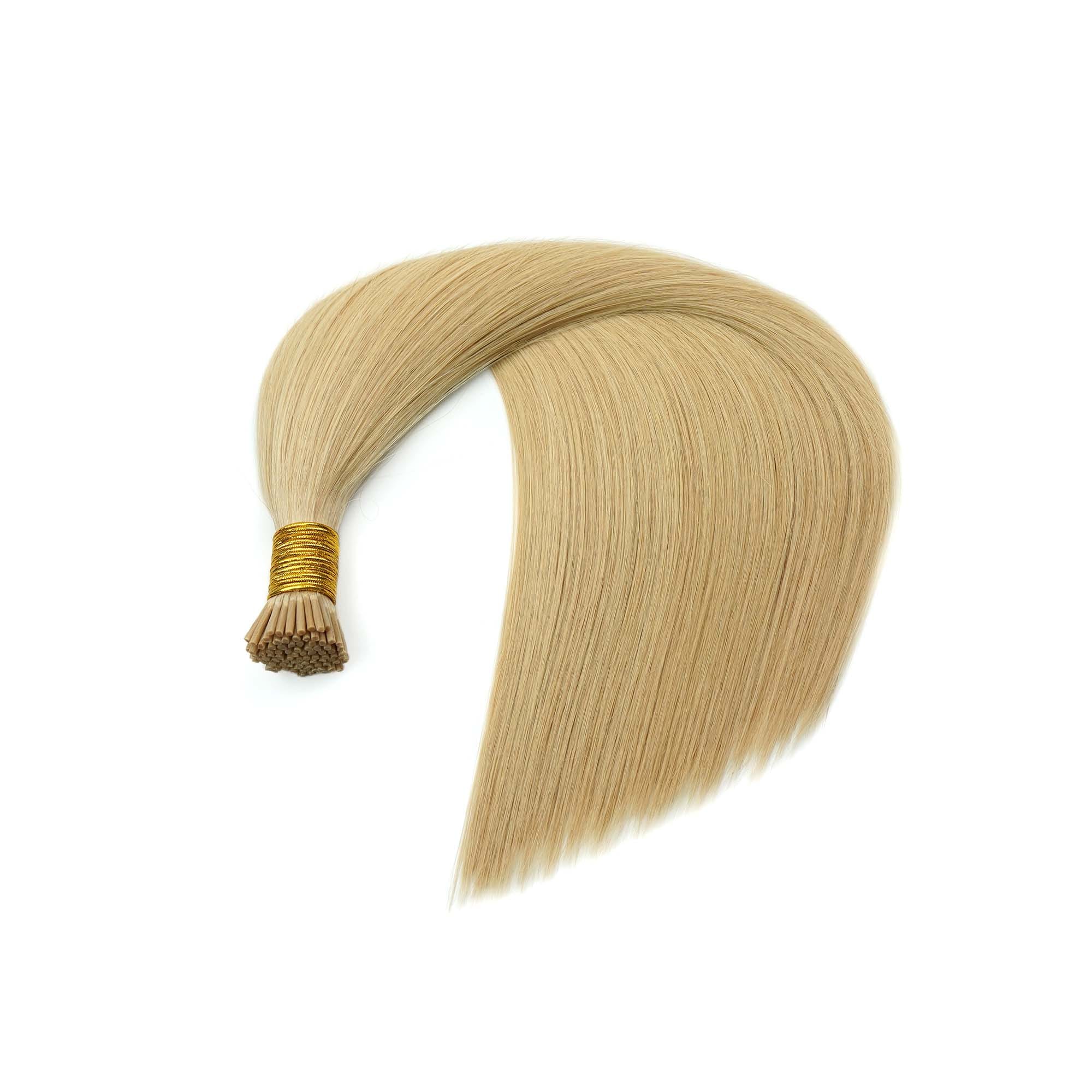
I Tip: for strand movement and detailed placement
I tip extensions are chosen when the stylist wants individual placement without heat or glue. They can be useful around areas where row methods may feel too visible, such as the sides, temples, and sections that need more natural separation.
In daily wear, the value of strand placement appears when the hair moves. A ponytail, a tucked-behind-the-ear finish, or loose waves can reveal whether the placement feels natural. If strand size is too heavy for the natural section, the result may pull or separate in an obvious way.
Experience tip: test strand weight before building a full service menu. The correct strand size should match the natural hair section. Too much extension hair on too little natural hair may look full on day one but create discomfort later.
 View I Tip Product →
 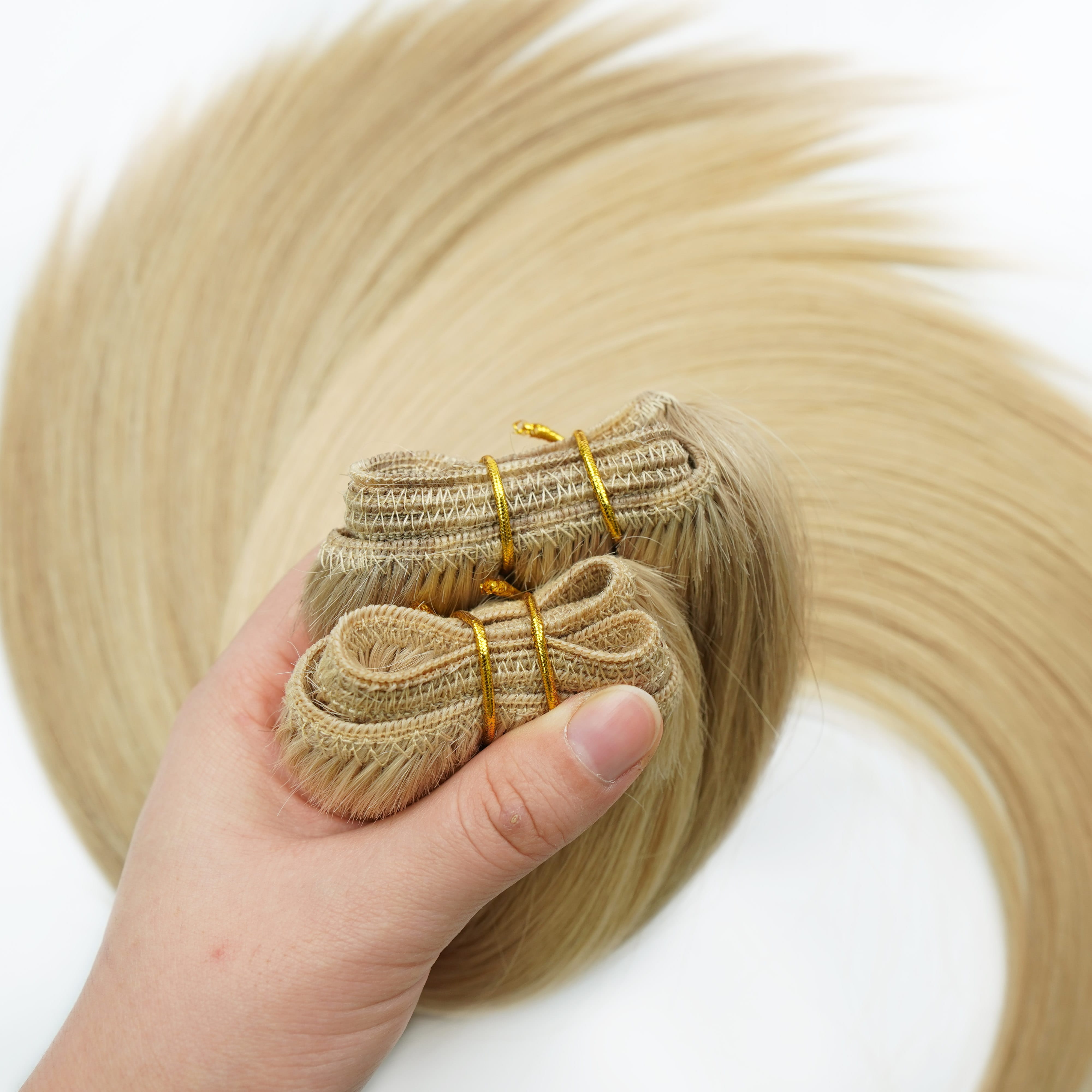 View Machine Weft →
 Machine Weft: for stronger rows and fuller coverage
Machine weft can be a practical option when the salon needs stronger row coverage and more traditional fullness. It is often considered when the natural hair can support a slightly heavier structure and the final look requires more density through the back.
The main judgment is balance. A machine weft may create a strong visual result, but placement must respect the wearer’s natural density. If the row is too bulky for fine hair, the finished look may feel less comfortable and harder to hide.
Experience tip: check the row from both the back and the side. A row that looks full from the back may still need adjustment if it creates a visible shelf from the side profile.
05 / Experience Tips
A Hands-On Sample Test That Feels Like a Real Appointment
A professional sample test should copy salon reality. Do not only touch the hair once and make a decision. Instead, move the sample through a small service journey. First, photograph the hair before handling. Then brush from the ends upward while holding the attachment area. This shows whether the ends are smooth and whether shedding appears during basic handling.
Next, wash the sample with the same type of shampoo and conditioner used in the salon. After drying, check whether the hair still feels soft. Some hair looks polished before washing because of surface treatment, but the first wash reveals more about the real texture. A useful sample should remain manageable after water, not become rough, puffy, or difficult to detangle.
Then use normal styling tools. Curl a small section, straighten another section, and check how the hair reflects light. The goal is not to use extreme heat. The goal is to see whether the hair responds like salon hair should: smooth enough to style, flexible enough to move, and natural enough to blend.
Finally, place the sample near real hair shades. Color should be checked near the mid-lengths and ends, not only at the root. Many mismatches happen because the extension shade is compared to the wrong part of the natural hair. Daylight, mirror light, and warm indoor light can all change the visual result.
Step 1
Brush Test
Hold the top and brush from the ends upward. Watch shedding, tangling, and how the ends settle.
Step 2
Wash Test
Wash once, dry fully, and check whether the hair still feels soft without relying on packaging shine.
Step 3
Light Test
Compare shade in daylight, salon mirror light, and warm indoor light before confirming color stock.
Step 4
Style Test
Curl and straighten with normal salon settings. The hair should move naturally after styling.
06 / Actual Use
Daily Use Determines Whether the Service Feels Premium
Even a high-quality product can disappoint if the installation and aftercare are not clear. Extension hair needs a routine that feels easy to remember. If the care instructions are too long, the wearer may ignore them. If they are too vague, the salon may receive avoidable complaints later.
A simple routine is more useful: brush from the ends upward, support the attachment area while brushing, keep conditioner and oils away from adhesive or bond points, dry the attachment area before sleeping, and use heat protection before styling. These rules are not dramatic, but they protect the service result.
The aftercare conversation should also match the method. Tape in wearers need to understand oil control near the tabs. Weft wearers need to understand brushing under the rows and avoiding heavy tension. Strand method wearers need to understand small-section care and maintenance timing.
The best salon experience feels calm. The wearer should leave knowing how to brush, wash, dry, sleep, style, and return for maintenance. That confidence becomes part of the product value.
07 / Stock Logic
Build Stock Around Services, Not Random Shade Curiosity
A salon stock plan should reduce hesitation during consultation. This does not mean buying every possible shade. It means choosing a core range that supports the most common services. Natural black, dark brown, chocolate brown, medium brown, rooted blonde, beige blonde, and dimensional balayage tones often become practical starting points, but the final selection should follow the salon’s local demand.
Instead of filling drawers with rarely used colors, start with a sample plan. Test the methods that match your service menu, then record which shades and lengths convert into real appointments. Every successful service should leave a note: method, shade, length, gram plan, natural hair density, haircut type, final finish, and maintenance result.
Over time, these notes become a buying system. The salon no longer guesses. It knows which products support fast volume, which wefts build the cleanest transformation, and which strand methods work best for fine areas. This creates better reorders and reduces waste.
For wholesale planning, the smartest first order is focused. Combine one or two proven methods with a narrow but useful shade range. After real salon testing, increase the stock depth only in products that have already shown consistent performance.
08 / FAQ
FAQ: Salon Buying Questions
What should a salon test first when receiving extension samples?
Which extension method is best for a fast volume service?
When should a salon choose wefts instead of strand methods?
How can color mismatch be reduced before ordering wholesale?
What information should be included in a sample inquiry?
09 / Natural Conversion
Ready to Build a Salon Sample Plan?
If your team is comparing methods, start with a focused sample plan instead of a large mixed order. Choose the service goal first: fast volume, full transformation, strand movement, color enhancement, or premium row work. Then prepare the details: method, shade direction, length, texture, grams, and expected appointment type.
Surblond Beauty can help salons and distributors compare human hair extensions by method, shade, length, service scene, and sample testing needs, so your team can move from product browsing to practical sample selection.