

Choosing human hair extensions is not only about length, grams, or a pretty product photo. In a real salon, the best extension is the one that blends under mirror light, brushes smoothly after washing, supports the stylist’s method, and gives the wearer a calm, natural feeling in daily life. This guide focuses on practical Remy hair quality review: principle education, hands-on sample testing, product method comparison, daily care, stock planning, and sample inquiry.
01 / Principle Education
First Understand Why Remy Hair Quality Shows Up in Daily Salon Work
A good extension service starts long before installation. It starts when the hair is touched, brushed, washed, and checked under real salon light. The reason is practical: extension hair is no longer connected to the scalp, so it does not receive natural oil from the root. Because of that, the mid-lengths and ends become the true testing area.
If the ends already feel hollow, stiff, or dry during sample review, the finished service usually needs more trimming, styling, and aftercare effort. Meanwhile, hair with better cuticle direction feels calmer during brushing. It separates more easily and creates a softer fall around the shoulders.
Therefore, Remy quality is not only about shine. Shine can come from lighting, finishing spray, or surface coating. Real quality becomes clearer after water, heat, movement, and time. A useful sample should keep softness after washing, stay manageable after blow-drying, and blend naturally after styling.
In other words, extension quality is a chain of details. Cuticle direction, hair selection, processing control, attachment construction, color blending, end density, packaging consistency, and aftercare guidance all affect the final experience. When these details work together, salon work feels smoother and reorders become easier to control.
02 / Hands-On Judgment
The First Touch Test: What the Hand Should Notice
First, hold the sample near the top and let the hair fall naturally. Good Remy hair should drop with a soft flow instead of clumping into stiff panels. The strands should separate easily, and the ends should not collapse into thin strings after one light shake.
Next, run fingers slowly from top to end. The movement should feel smooth, clean, and controlled. Then move fingers gently upward from the ends. A slight change in texture can be normal because the cuticle has direction. However, the hair should not feel rough in every direction.
Also, listen to the brush. A smooth sample makes the brush pass quietly through the ends. A dry or poorly aligned sample often creates more friction, more sound, and more catching near the lower half.
This first touch test should not be the final decision, but it helps decide whether the sample deserves deeper testing. If the hair feels sticky, overly slippery, stiff, or coated, the next step should be a wash test before any approval.
03 / Water Test
The Wash Test: Where Remy Quality Becomes Clear
A wash test should happen before a serious order decision. At first, a bundle may feel silky because finishing products are still on the surface. However, shampoo and water remove the showroom effect. As a result, the real hair behavior becomes easier to see.
Use lukewarm water and a gentle shampoo. Smooth the shampoo downward instead of rubbing the hair into a knot. Then rinse fully and press extra water out with a towel. After that, let one section air-dry and blow-dry another section with controlled heat.
The air-dried section shows natural texture, frizz level, and moisture balance. Meanwhile, the blow-dried section shows how the hair behaves during a real service. If both sections remain soft, manageable, and easy to separate, the sample deserves a closer look.
However, if the hair turns rough, swollen, dull, or tangled after one wash, the risk is higher. A reliable Remy program should not depend on heavy coating. It should still feel workable after normal cleansing and drying.
04 / Product Entry Points
Product Pages Should Guide Action, Not Interrupt Reading
Different extension formats solve different salon problems. Therefore, a quality review should happen inside the right use scene. A flat weft should be checked for seam comfort. A tape in piece should be checked for tab neatness. A U tip should be checked for bond stability. A nano ring strand should be checked for small attachment consistency.
Each product block below uses the same structure: explanation, clickable image, short caption, and matching action button. This keeps the layout consistent and makes every visual element useful for site navigation.
Method Focus
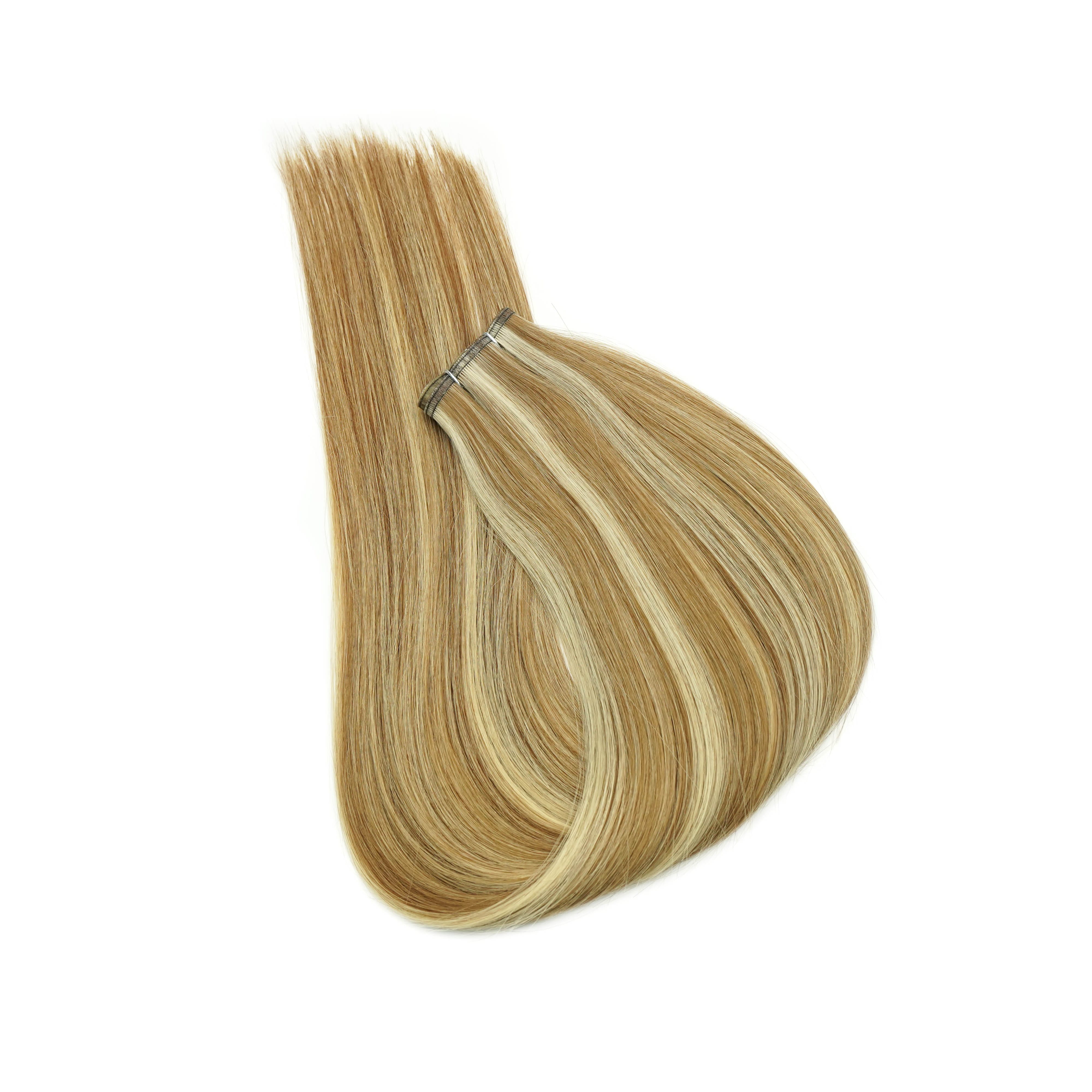
Flat Weft: for smooth rows, flexible placement, and natural volume
Flat weft is useful when a salon needs row-based volume with a smoother top line. The seam should sit close to the head, and the hair should fall naturally from the weft. Experience tip: hold both ends of the weft and let it curve like it would around the back of the head.
Method Focus
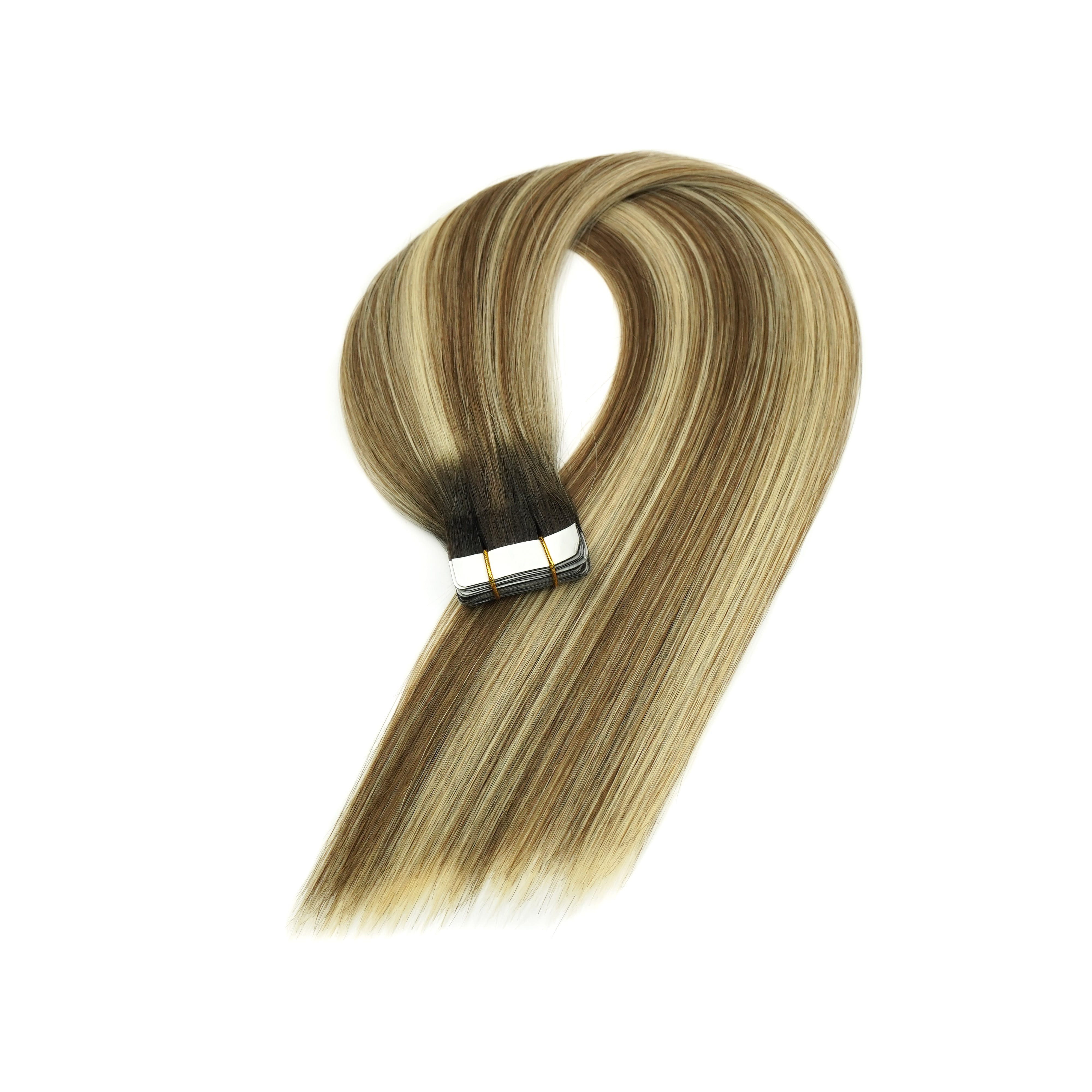
Tape In: for fast volume, soft color panels, and flat salon finishes
Tape in extensions are often selected when an appointment needs speed and a clean surface. The sandwich placement is easy to organize, and the finished result can sit very flat when sectioning is correct. This makes tape in a practical choice for volume refreshes, soft length, and color enhancement.
Method Focus
U Tip: for strand placement, controlled density, and long-wear planning
U tip hair supports strand-by-strand placement with a keratin bond. This format gives detailed control over spacing, density, and movement. During inspection, press the bond gently and check whether it cracks. Then comb from the ends upward while holding the bond.

Method Focus
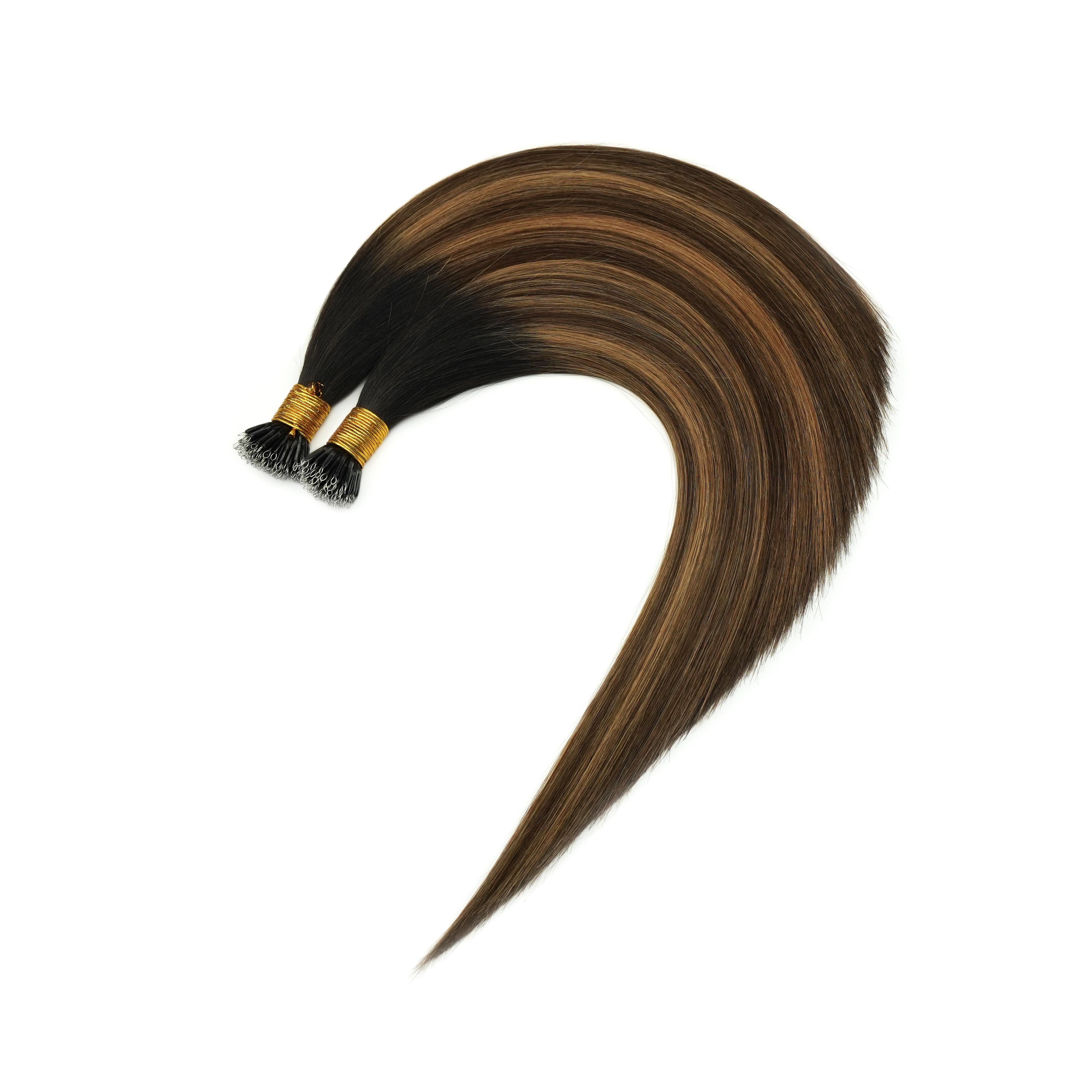
Nano Ring: for small attachment points and flexible movement
Nano ring hair is useful when small attachment points matter. The strand should look neat at the tip, and the hair should not thin too quickly below the attachment area. Around the sides, temples, or ponytail areas, small-format quality becomes very visible during movement.
05 / Procurement Checklist
A Simple Remy Quality Table for Sample Meetings
A practical checklist helps different team members speak the same language. Instead of saying “this hair feels good,” the review can describe cuticle feel, wash response, end fullness, shade behavior, and attachment construction. This makes the decision easier to repeat later.
| Quality Point | What to Do | Good Sign | Warning Sign |
|---|---|---|---|
| Cuticle direction | Touch downward and upward | Smooth downward glide with controlled texture upward | Rough drag in both directions |
| Wash response | Wash, rinse, air-dry, and blow-dry | Softness remains after washing | Dry, swollen, or tangled after one wash |
| End fullness | Check the bottom three inches | Balanced density through the finish | Thin, uneven, or stringy ends |
| Color stability | Review in daylight and salon light | Soft blend and stable tone | Patchy color or harsh transition |
| Order clarity | Confirm codes, grams, length, texture, and packing | Clear reference for reorder comparison | Vague specification or missing label details |
Keep one approved sample as a reference. Later, when repeat stock arrives, the reference sample can help compare shade, density, texture, and finish. This small habit reduces guesswork and protects consistency.
06 / Color and Density
Check Color and Ends the Way They Appear in Real Life
Color should not be approved under one light. First, place the sample near a window. Natural daylight shows warmth, ash level, highlight contrast, and root softness. Then move the same sample under salon lighting. Warm bulbs can make blonde shades look more golden, while cooler light can make brown shades look flatter.
For rooted, balayage, ombre, and piano shades, the transition line matters. A soft root melt should not look like a hard stripe. Likewise, highlight pieces should feel intentional when the hair moves, not random when the head turns.
Density review is just as important. A pack can meet the gram weight but still look weak at the bottom. Therefore, place the sample on a white surface, spread it gently, and check the last three inches. Long styles need enough fullness through the ends to avoid a stringy finish.
For teams comparing Remy human hair, the best review combines several signals: cuticle direction, wash behavior, color stability, end fullness, and attachment quality. No single feature should decide the whole order.
07 / Actual Use
Daily Use Determines Whether the Service Feels Premium
Even strong Remy hair can disappoint when installation and care are unclear. Extension hair needs a routine that feels easy to remember. If the care instructions are too long, they may be ignored. If they are too vague, avoidable problems can appear later.
A simple routine is more useful. Brush from the ends upward, support the attachment area while brushing, keep conditioner and oils away from adhesive or bond points when needed, dry the attachment area before sleeping, and use heat protection before styling.
The aftercare message should also match the method. Tape in wear needs oil control near the tabs. Weft wear needs brushing under the rows and avoiding heavy tension. Strand methods need small-section care and regular maintenance planning.
08 / Common Mistakes
Avoid These Mistakes During Remy Sample Review
Approving only by shine
A glossy photo can hide dryness, coating, uneven density, or weak construction. A physical sample should still be brushed, washed, dried, and styled before approval.
Skipping the first wash
Many samples feel smooth in the package. However, the first wash reveals more about the true texture. If the hair becomes rough after one wash, it needs closer review.
Using one format for every product
A flat weft sample cannot fully prove tape tab quality. A tape in sample cannot fully prove U tip bond quality. Each product format needs its own test.
09 / Sample Workflow
Build a Sample Test That Feels Like a Real Appointment
A professional sample test should copy salon reality. Do not only touch the hair once and make a decision. Move the sample through a small service journey: photograph it, brush it, wash it, dry it, style it, and compare it under different light.
Step 1
Brush Test
Hold the top and brush from the ends upward. Watch shedding, tangling, and how the ends settle.
Step 2
Wash Test
Wash once, dry fully, and check whether the hair still feels soft without package shine.
Step 3
Light Test
Compare shade in daylight, salon mirror light, and warm indoor light before confirming stock.
Step 4
Style Test
Curl and straighten with normal salon settings. The hair should move naturally after styling.
10 / Extended Reading
Related Pages for Deeper Product Research
The following pages support a complete research path from quality education to product selection and sample inquiry. Each link is placed to support reading efficiency and internal navigation.
11 / FAQ
FAQ: Remy Hair Quality Review
How can Remy hair quality be checked before a larger order?
Start with a dry inspection, then move to a wash test. Check touch, smell, shade, length, gram weight, end fullness, shedding, and attachment construction. After washing, compare air-dried and blow-dried sections. Then use controlled heat on a small strand.
Which extension format works best for salon services?
The best format depends on the service goal. Tape in hair supports fast flat placement and color panels. Flat weft supports row-based volume with a smoother top line. U tip and nano ring support detailed strand placement and natural movement.
Why does cuticle direction matter in Remy hair?
Cuticle direction affects friction, combing, tangling, and softness. When strands align in one direction, the hair usually moves more smoothly and handles brushing better.
Can Remy extensions be toned or colored?
Remy extensions may support professional toning or color adjustment, depending on the shade and processing history. However, every color service should begin with a strand test.
What information should be included in a sample inquiry?
A useful inquiry should include method, color family, length range, texture, gram plan, target service, and whether the team is testing for fast volume, full transformation, or detailed placement.
12 / Natural Conversion
Ready to Build a Clear Remy Hair Sample Plan?
A focused sample plan is usually more useful than a large mixed order. Start with the service goal first: fast volume, full transformation, strand movement, color enhancement, or premium row work. Then prepare the details: method, shade direction, length, texture, gram weight, and expected appointment type.
Surblond Beauty can help salons and distributors compare human hair extensions by method, shade, length, service scene, and sample testing needs, so professional teams can move from product browsing to practical sample selection.