

For salon owners, stylists, wholesale teams, and private-label buyers, choosing human hair extensions is not only about length, grams, or a beautiful product photo. In real salon work, the hair must blend under mirror light, brush smoothly after washing, support styling tools, and still feel natural during daily wear.
This factory buying guide explains how to judge hair quality, test samples, compare extension methods, plan colors and stock, and communicate with a supplier before placing a larger order. The goal is to help buyers move from “the product looks good” to “the product can work reliably in real salon service.”
Start With the Real Scene Before Choosing the Product
A strong extension line should answer a real salon need. One service may need quick fullness before a busy weekend. Another service may need long, polished volume for a wedding trial. Another may need small-section placement around layers, side areas, or face-framing color.
Because each scene feels different, one product type cannot carry every purpose. Tape in extensions help when flat placement and faster appointment timing matter. Wefts support stronger volume work. Tip and ring methods help when movement and smaller sections need more control.
Wholesale planning also becomes easier when the catalog has a clear purpose. A focused range can include fast-service items, volume-building items, temporary styling items, and detail-placement items. Product selection should begin with daily use, not only product names.
Why 100% Hair Matters in Real Wear
To begin, 100% human hair gives extension products a more natural base for touch, styling, and blending. It can respond to common salon finishing methods when proper care is used. However, the label alone does not show the full wearing experience.
Good hair should not only look glossy in the package. It should still feel manageable after a gentle wash, full dry, and brush-through. In practice, the best sample is often the one that stays calm after water, heat, and normal handling.
Remy human hair extensions are often discussed because cuticle direction affects smoothness. Aligned cuticles can help the hair brush more easily when processing is handled well. Still, color work, density, attachment structure, and final inspection also shape the result.
Factory buying should look beyond one word on a specification sheet. A better review includes hand feel, surface finish, end density, post-wash texture, shade stability, and comfort during installation. This balanced view prevents overreliance on a single claim.
Choose by Movement, Visibility, and Maintenance
A product may look beautiful when placed flat on a table. However, salon reality adds movement. Hair moves when a person turns the head, tucks hair behind the ear, lifts a ponytail, or brushes through the nape area.
For this reason, visibility should be checked from several angles. The back view may look full, while the side area may show a tab or seam. Similarly, a bond may look neat close up, yet feel too firm when the section swings.
Maintenance also changes the product choice. A service with regular move-up appointments can use methods that require planned adjustment. Temporary styling may need easy removal and quick installation rather than long wear.
As a practical rule, method choice should follow the desired result. Flatness, fullness, detail movement, temporary change, and heat-free placement all lead to different product paths. A clear service menu makes factory communication much easier.
Product Fit / Fast Salon Service Tape In for Flat Placement and Fast Volume WorkFor fast fullness, Tape In extensions offer a flatter starting point. They suit side volume, soft length changes, and subtle color enhancement when sectioning stays clean. The sandwich-style placement can support a smooth finish near the head. During real service, the side profile matters. The hair should fall softly when it moves forward, and the tab area should not look heavy under natural movement. A sample check should include mirror light, side movement, and a gentle brush-through. Tape-in pieces can also help create soft color effects. A rooted blonde, caramel blend, or beige highlight can add brightness without changing every strand. This makes the method useful for refined salon menus. View Tape In Product → | 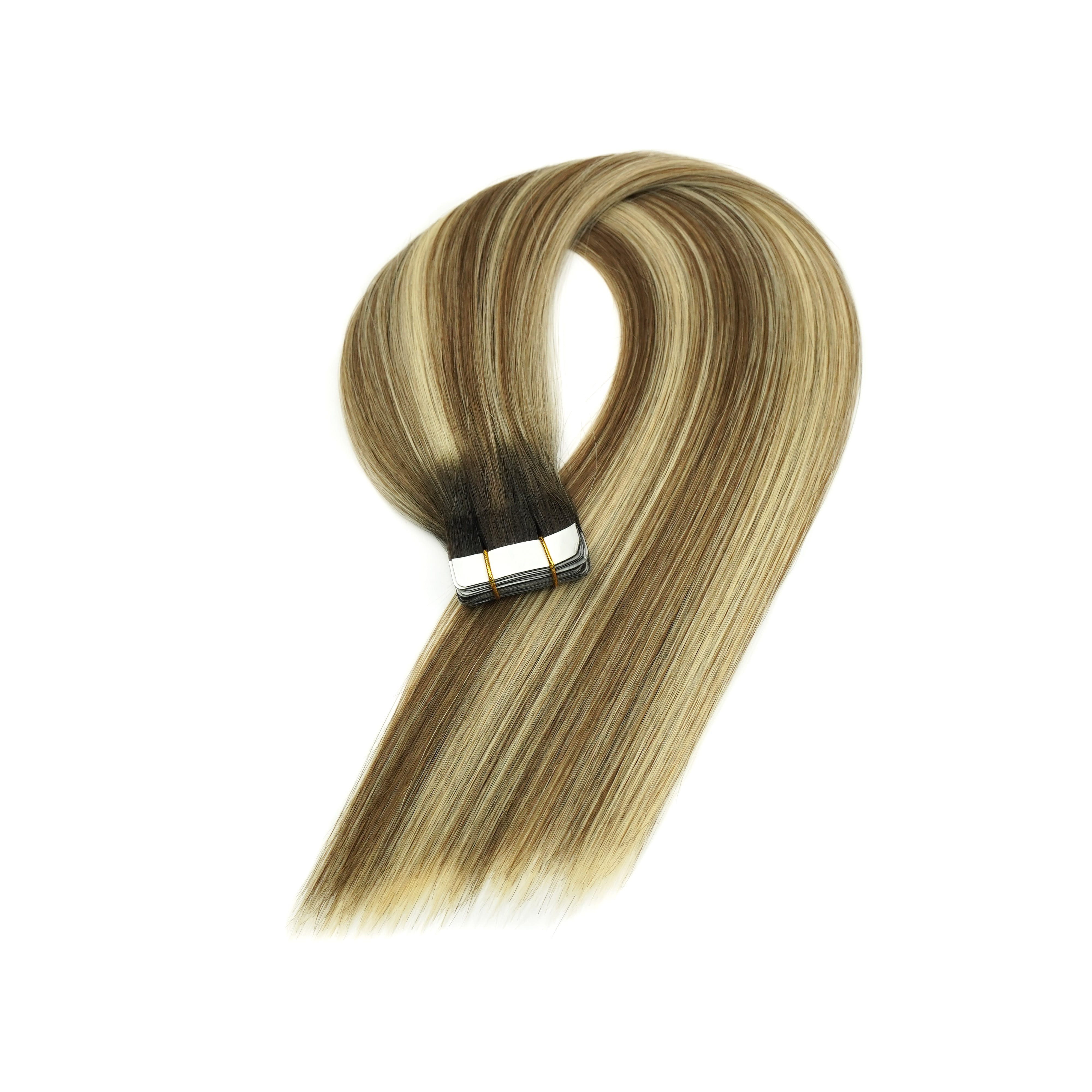 |
A Buying Checklist That Goes Beyond Basic Parameters
A checklist helps every sample receive the same level of attention. Without a fixed process, one sample may be approved because the color looks attractive, while another may be rejected too quickly. Repeatable testing makes decisions more stable.
Practical notes should be written during the test, not after several samples have been handled. Memory becomes unclear when many shades and methods sit on the same table. A simple written record keeps the sourcing process cleaner.
| Check Point | What It Reveals | Real Test Method | Useful Decision Signal |
|---|---|---|---|
| Touch and surface feel | Softness, coating feel, smoothness | Run fingers from mid-lengths to ends. | The ends should not feel dry, sharp, or empty. |
| Brush response | Tangling, shedding, fiber behavior | Brush upward from the ends while holding the top. | The brush should move without heavy snagging. |
| Wash result | Real feel after the first clean | Wash once, air dry, then check again. | The hair should stay manageable after water. |
| Color behavior | Tone accuracy and blend potential | View in daylight, salon light, and warm indoor light. | The shade should support root, middle, and end tones. |
| Attachment structure | Comfort and service stability | Inspect tabs, seams, tips, rings, or clips closely. | The structure should feel neat, even, and secure. |
| End fullness | Finished value after cutting and styling | Lay the hair flat and check the last inches. | The ends should support the intended result. |
Product Fit / Detailed Placement F Tip for Controlled Strand-by-Strand MovementFor detailed placement, F Tip extensions help create movement in smaller sections. This makes them useful around layers, side areas, and color-mixing services. Strand-by-strand work can help avoid a heavy block of color. During sample testing, the tip area should feel neat and consistent. The section should swing naturally without looking stiff. The hair should blend when curled, straightened, or lifted into a low ponytail. This method suits services where small placement choices change the final look. A stylist may mix nearby shades to soften the transition near the face. As a result, the finish can look more dimensional. View F Tip Product → | 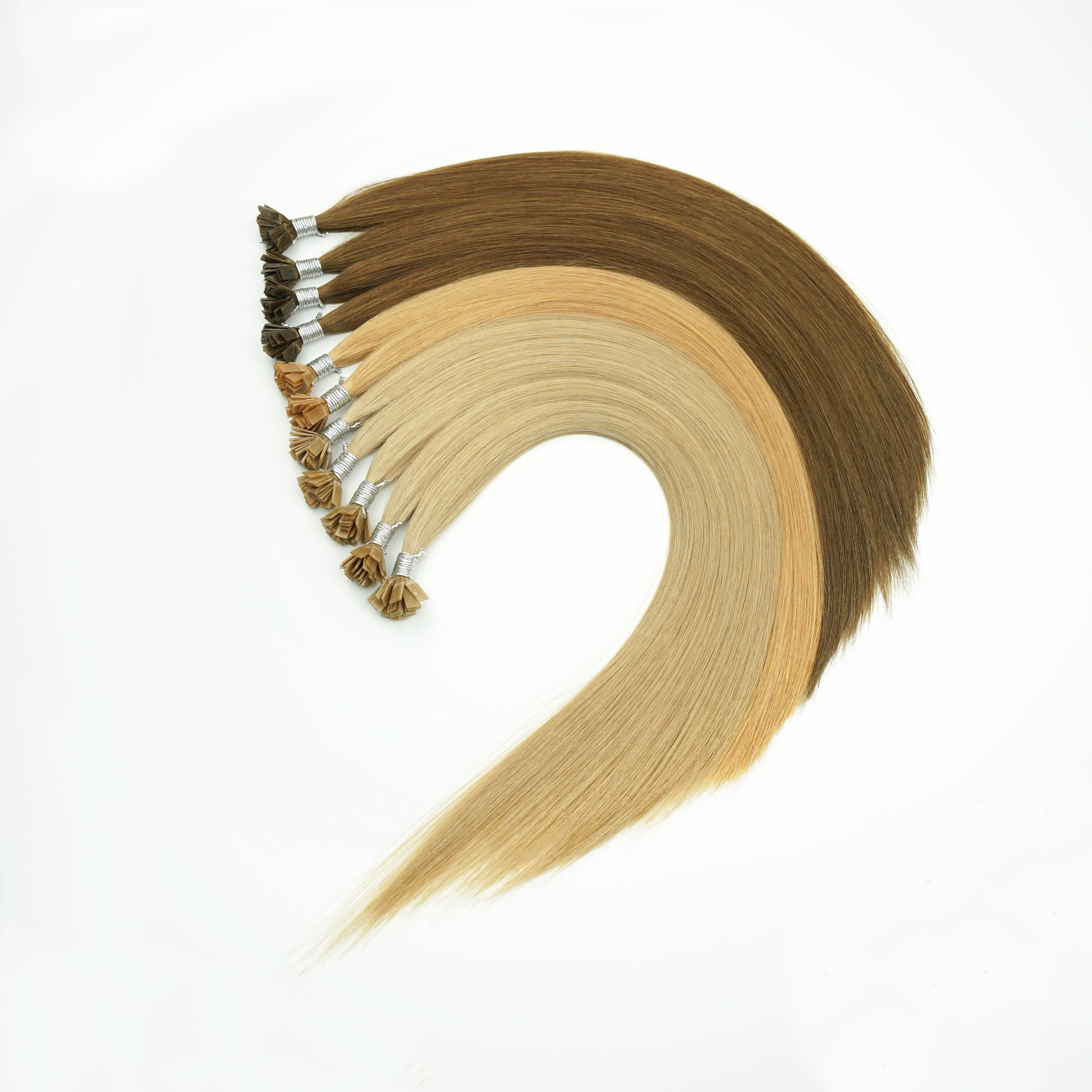 |
Test Samples Like a Real Appointment
First, photograph the sample before testing. The first photo gives a reference for color, shine, attachment shape, and end density. Afterward, every change becomes easier to compare.
Next, brush the hair gently from the ends upward. This step sounds simple, yet it shows a lot. Hair that feels smooth on the surface may still catch near the ends or through processed color areas.
Then, wash the sample with a mild routine and let it dry fully. This step removes the first-package feeling and shows a more honest texture. Air drying reveals whether the hair returns to a smooth shape or becomes rough quickly.
After that, style one small section with moderate heat and protection. The purpose is not to damage the hair with extreme testing. Instead, the test should copy a normal salon finish, such as soft curls, a polished blowout, or a smooth straight look.
Finally, handle the attachment area as if the product were already installed. Bend a tape tab gently, inspect a tip, open and close a clip, or move the ring area between fingers. The test should cover hair quality, comfort, and practicality.
Touch
Feel the hair from mid-lengths to ends before any water test.
Wash
Wash once, dry fully, and compare with the first package feel.
Light
Check the shade in daylight, mirror light, and warm indoor light.
Install
Place the sample on a mannequin or live model for comfort feedback.
Product Fit / Event Styling Clip In for Temporary Volume and Styling FlexibilityFor event styling, Clip In extensions support quick visual change without a semi-permanent method. They work well for bridal trials, photoshoots, parties, content creation, and occasional length changes. The main check is clip comfort. A good set should hold securely while still feeling easy to remove after styling. The clips should sit close enough to avoid a bulky crown or visible ridge. Color matching is especially important for temporary pieces. Since clip-ins may appear in photos and videos, the shade should blend from several angles. Testing under camera light can be useful before adding this item to a salon or retail range. View Clip In Product → | 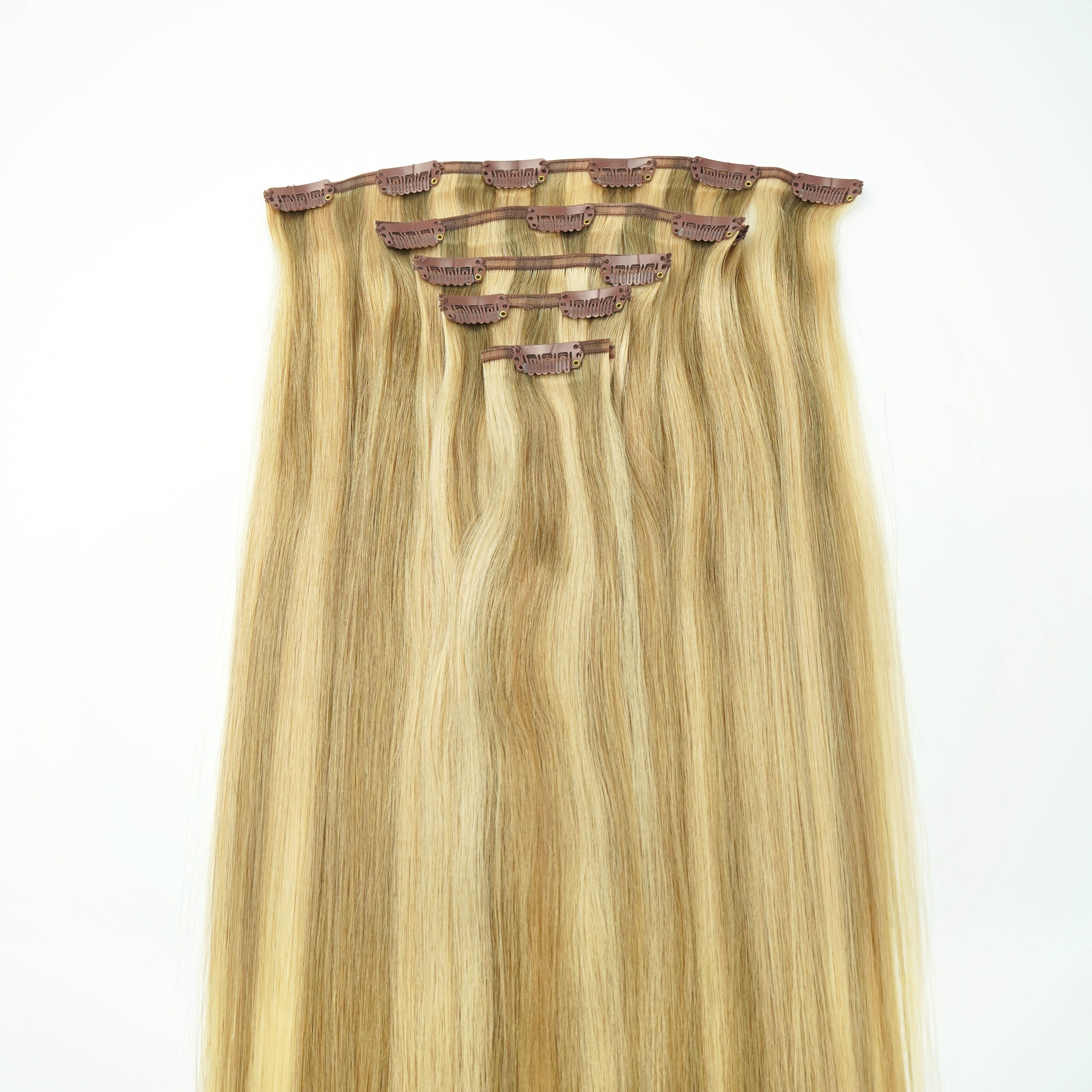 |
Color Matching Should Feel Like Real Hair, Not a Flat Swatch
Color choice should start with the full head story. Natural hair usually has root depth, mid-length tone, and end brightness. Extension matching should consider all three zones instead of relying on one flat shade.
For blonde services, beige, pearl, ash, honey, and rooted tones can look close online but very different in salon light. Balayage and piano shades may blend better when natural hair already has dimension. A single solid blonde can look too obvious beside lived-in color.
For brunette services, shine and depth become important. Dark brown, chocolate brown, medium brown, and caramel blend shades should not look flat. The shade should reflect softly through movement, especially after curling.
Length and weight should follow the final result. A subtle fullness service may need a lighter plan, while a full transformation needs enough density through the ends. Grams should be judged together with end fullness, not separately.
Custom planning also needs clear language. Surblond Beauty provides custom product options across extension categories. Every custom request should still include method, shade target, length, grams, texture, and package needs.
Product Fit / Heat-Free Placement Nano Ring for Lightweight, Heat-Free Strand WorkFor strand-by-strand services without heat, Nano Ring extensions can support a lighter placement feel. They are useful when flexible movement, neat sectioning, and maintenance planning matter. During selection, ring fit, strand size, and tension control should be reviewed together. A secure ring does not automatically mean a comfortable result. The sample should be checked during head movement, brushing, and low ponytail styling. This option can suit service menus that include planned maintenance visits. As natural hair grows, the installation needs professional adjustment. Clear aftercare guidance helps keep the service neat between appointments. View Nano Ring Product → | 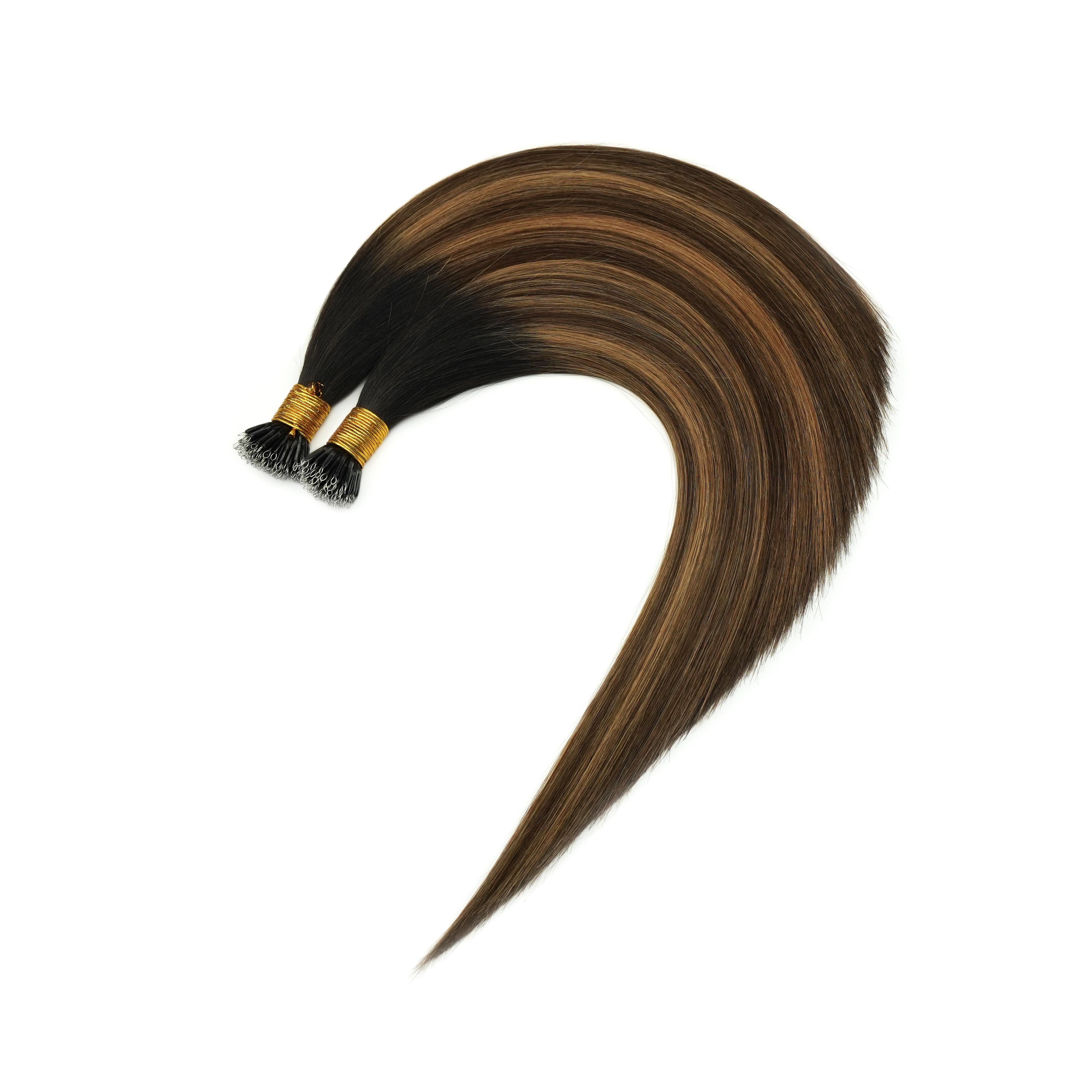 |
The Finished Result Depends on Daily Use
Even a strong product can perform poorly when installation and care are unclear. Product selection should include the daily routine after the salon visit. A service feels better when brushing, washing, drying, sleeping, styling, and maintenance all feel simple.
For tape-in pieces, oils and heavy conditioners should stay away from the adhesive area. The attachment should be supported during brushing, especially near the root. The hair should be fully dried around the top section before sleeping.
For strand methods, tension control matters every day. Small sections should not be pulled roughly during brushing or styling. Scheduled maintenance helps prevent matting near the root area.
For clip-in pieces, storage matters after removal. The hair should be brushed, kept dry, and placed neatly to avoid tangles before the next event. A clean storage routine helps the product look better when used again.
Care instructions should be written in plain language. A short card with brushing, washing, heat, sleep, swimming, and maintenance tips can improve the entire service experience and reduce avoidable product complaints.
Build Stock Around Real Demand and Clear Roles
A polished catalog does not need every shade at the beginning. A practical range often starts with core colors, proven lengths, and one or two main methods. Stock planning should grow from real service notes.
Core shades often include natural black, dark brown, chocolate brown, medium brown, rooted blonde, beige blonde, and soft balayage tones. Regional demand can change the best mix. A bridal-focused salon, a blonde-heavy market, and a brunette-focused market may need different depth.
Length planning should also stay controlled. A focused start may include everyday lengths and transformation lengths rather than every possible option. Longer lengths need stronger attention to end density.
Every approved sample should become a reference. Shade code, product method, length, grams, texture, package note, and sample photo should stay together. As a result, repeat orders become easier to communicate and check.
Clear Specifications Make Better Samples
Factory communication becomes easier when the service goal is clear. A request for “blonde tape-in” may be too broad. A request for rooted beige tape-in pieces for fast salon fullness gives a stronger direction.
Useful inquiry details include product method, shade direction, root depth, length range, grams, texture, packaging, and expected use. Reference photos should show color in natural light when possible. This reduces confusion caused by filters or screen differences.
Approved samples should be named and saved carefully. The sample number, photo, shade note, and final comments should stay in one record. Later production can follow the same approved standard more easily.
For company background and direct contact details, the Surblond Beauty company profile is a useful internal-link destination. It supports a smoother path from article reading to factory understanding.
Plan the First Factory Order With Reorders in Mind
A first order should not only solve the first launch. It should also prepare the team for cleaner reorders. For B2B buyers, the most useful order plan usually separates confirmed core products from experimental shades, seasonal colors, and special requests.
Before placing a larger order, keep one approved sample for each method, shade, length, and texture. Then record the approved photo, final shade note, gram plan, attachment type, packaging preference, and salon feedback. This creates a working standard that can be checked again before production and before shipment.
For wholesale and private-label buyers, packaging should be discussed early. Labels, shade names, length stickers, barcode needs, insert cards, storage bags, and carton marks all affect warehouse work later. A beautiful product can still create operational problems when the shade code is unclear or the outer carton does not match the stock list.
A better buying process connects sample approval, production details, packaging, inspection, and reorder notes into one clear workflow. This is how a product range becomes easier to manage after the first successful shipment.
Common Factory Buying Mistakes to Avoid
First, choosing only by photo creates risk. A product photo can show method and color direction, yet it cannot show post-wash feel, brush response, side-profile bulk, or comfort during movement. Images should support sample testing, not replace it.
Second, comparing only a low quote can hide practical issues. Thin ends, uneven tones, weak tabs, rough seams, or inconsistent packaging can make a product harder to use. Value should include usable density, service confidence, and repeat consistency.
Third, ordering too many shades too early can slow inventory movement. A large shade list may look impressive, but slow-moving colors create storage pressure. A focused range usually performs better at the start.
Fourth, skipping aftercare education weakens the final result. Extension hair needs clear daily habits. When care instructions are simple, the product has a better chance to remain smooth and wearable.
Finally, weak documentation makes reorders harder. Approved samples, photos, shade notes, length notes, packaging details, and inspection results should be saved carefully. Factory communication becomes more stable over time.
Match the Product Method to the Service Goal
A practical product range works like a menu. Each method should have a clear role, and every role should connect to a real service scene. Selection becomes easier when the goal is defined first.
The comparison below gives a simple direction. It does not replace sample testing, but it helps organize early factory discussions.
| Method | Best-Fit Scene | Main Benefit | Key Selection Tip |
|---|---|---|---|
| Tape In | Fast fullness and soft color enhancement | Flat placement and efficient service timing | Check side visibility and tab feel. |
| F Tip | Detailed strand placement | Flexible movement and color mixing | Review tip shape and natural swing. |
| Clip In | Temporary event styling | Quick change without a semi-permanent method | Test clip comfort and photo lighting. |
| Nano Ring | Heat-free strand work | Lightweight placement and maintenance flexibility | Check ring fit, tension, and strand size. |
Useful Pages for Deeper Product Research
For a smoother reading path, the following pages support product comparison, company research, and direct inquiry. Each link keeps the next action close to the topic and supports internal site flow.
FAQ: Factory Buying and Real Salon Use
What should be tested first when extension samples arrive?
First, test the sample in a way that copies real service. Brush from the ends upward, wash once, dry fully, and style one section with normal heat protection. In addition, compare the shade in daylight and salon light. This process shows more than a quick touch from the package.
Which method is best for a fast salon service?
Tape In products often fit fast fullness because the panels can sit flat and cover space efficiently. However, the best method still depends on natural hair density, oil habits, side visibility, and maintenance planning. For temporary styling, Clip In pieces may work better. For stronger density, weft products may be more suitable.
How can color mismatch be reduced before a bulk order?
Color should be compared with the root, mid-lengths, and ends. Samples should be checked in daylight, salon mirror light, and warm indoor light. Blonde, balayage, piano, and rooted shades need extra care because tone changes under different lighting. A physical approved sample gives a stronger reference than a screen photo.
What details should be included in a factory inquiry?
A useful inquiry should include product method, shade direction, root depth, length range, texture, grams, packaging, and service purpose. Fast volume, full transformation, color enhancement, and detailed movement all need different product choices. Clear information helps the factory suggest samples that match the real plan.
What should buyers confirm before placing a larger order?
Buyers should confirm approved samples, shade codes, length and gram plans, texture, packaging details, inspection notes, and reorder references. This makes the first order easier to check and makes future production more consistent.
How should a first wholesale range be planned?
A first range should stay focused. Core shades, proven lengths, and one or two main methods usually create a cleaner start than a very wide catalog. After several services or sample rounds, notes can guide expansion into special colors, longer lengths, curly textures, or additional attachment methods.
A Better Factory Order Starts With Real Use
In summary, a professional extension line should be judged by how it performs in real service, not only by a catalog photo. Softness after washing, color under mirror light, attachment comfort, end fullness, packaging clarity, and reorder consistency all shape the final result. Teams planning human hair extensions can start with focused samples, clear specifications, and a service-based product map.
Surblond Beauty can discuss custom colors, lengths, grams, textures, attachment methods, packaging, and sample plans for salon, wholesale, and private-label product development.
First, select one or two core methods and test them through brushing, washing, drying, styling, and installation.
Next, build a focused shade and length range before expanding into seasonal colors, special textures, or deeper inventory.
Finally, keep approved samples, shade notes, photos, gram plans, packaging details, and reorder references in one clear file.