

Fine hair changes the whole extension decision. A beautiful weft can still feel wrong if the top line looks raised, the color sits too heavy, or the row feels noticeable during a normal morning brush. Therefore, this guide looks beyond length and grams. It explains how Butterfly Weft can support soft volume, natural movement, and calm daily wear for fine-hair services. Surblond Beauty also offers genius weft and other professional options, yet this article keeps the focus on practical Butterfly Weft selection, real-use judgment, and fine-hair service planning.
01 / Fine Hair Reality
Start With the Way Fine Hair Behaves in Real Life
Fine hair rarely hides mistakes for long. Under salon lighting, a fresh extension install can look smooth and full. Later, however, the same hair may separate near the crown, lift around the side profile, or expose a raised seam when the head turns. Therefore, fine-hair services need a product that looks natural during movement, not only in a still photo.
In daily life, the most revealing moments are simple. A quick brush before work, a low ponytail at the gym, a soft wave before dinner, or a tuck behind the ear can show whether the row sits naturally. Fine hair has less visual cover, so the attachment area must stay calm, flat, and easy to manage.
This is why Butterfly Weft deserves a practical review for fine hair. The question is not only whether the hair feels soft in the hand. The question is whether the weft can support fullness while keeping the top area discreet. A fine-hair service should create confidence, not a constant need to check the mirror.
For professional sourcing, this means every sample should be judged like a service tool. It should be placed under a fine top layer, checked in daylight, washed, dried, brushed, and styled. Only then does the product show how it behaves beyond the first impression.
02 / Experience Value
The Real Value Is a Calm, Natural Feeling
Fine-hair extension work carries emotional value because the result affects ordinary routines. A fuller perimeter can make a blowout look more balanced. A soft side panel can make the face frame feel polished. A clean row can make the hair feel easier to wear without visible effort. Therefore, the product must support comfort and confidence, not only visible length.
A strong Butterfly Weft service should feel like the natural hair became healthier in shape. The ends should look fuller, yet not unusually heavy. The top should stay smooth, yet not flat or stiff. Meanwhile, the hair should move easily through the shoulders, back, and sides.
The best fine-hair result often avoids drama. Instead, it gives a quiet upgrade. A shoulder-length cut looks denser. A long layered style gains better body. A blonde blend appears softer without more lightening. In each case, the extension supports the hairstyle rather than taking over the whole look.
This emotional value matters in B2B planning as well. A product that feels easy to wear creates better repeat services. A weft that stays comfortable after washing and styling helps salon teams build trust in the method. Over time, that trust becomes part of the product’s commercial value.

View Butterfly Weft Product →
03 / Product Fit
When Butterfly Weft Makes the Most Sense
Butterfly Weft makes sense when fine hair needs visible improvement without a bulky feeling. It can support fullness through the sides, lower back section, and ends. At the same time, the row should remain discreet enough for natural movement. This balance is useful for salon menus that focus on refined, wearable results.
For volume-only services, the product can help strengthen the outline of the haircut. For example, a soft lob may need more density near the bottom rather than much more length. In that scene, the weft can make the shape look fuller while keeping the daily routine familiar.
For moderate length services, Butterfly Weft can work when the natural hair has enough top coverage. The length jump should remain believable. A fine shoulder-length cut gaining a few inches usually blends more easily than a very short blunt cut moving to extra-long hair. Therefore, the service plan should match the natural haircut.
For color enhancement, butterfly weft hair extensions can add brightness, lowlights, or soft dimension without extra chemical processing on fragile natural hair. This is especially helpful for blondes, brondes, and soft brunette blends where fine hair may already feel sensitive after color work.
However, no weft should be treated as universal. Very low-density hair, fragile edges, heavy shedding, or scalp sensitivity may require a more conservative plan. A professional assessment should always decide placement, gram choice, and maintenance timing before the product becomes a full service.
04 / Checklist
Fine-Hair Sourcing Checklist That Mirrors Salon Reality
A useful checklist should not feel like a factory spec sheet. It should answer the questions that appear during real appointments. Will the row show when hair moves? Will the color look soft at the root and ends? Will the weft feel light enough after a full day? Will the hair still behave well after washing?
The table below keeps the evaluation practical. It helps salon and wholesale teams move from vague preference to clear selection. In addition, it supports more consistent sample testing across colors, lengths, and textures.
| Check Point | Fine-Hair Concern | Real Test | Good Signal |
|---|---|---|---|
| Top line | The seam may create a raised ridge. | Place under a thin top layer and move the hair. | The row sits close and does not announce itself. |
| Color flow | Fine hair can expose shade mismatch. | Check root, mid-length, and ends in daylight. | The shade blends without a hard line. |
| End density | Heavy ends can look unnatural on fine hair. | Hold the weft beside natural ends before cutting. | The finish looks fuller but still believable. |
| Daily comfort | A row can feel heavy during sleep or brushing. | Bend the weft and simulate placement by hand. | The top feels smooth, flexible, and controlled. |
| Post-wash behavior | Package shine can hide future dryness. | Wash, dry, brush, and style the sample once. | The hair remains manageable and soft in motion. |
This checklist also helps compare Butterfly Weft with other weft hair extensions in a professional range. Instead of selecting by trend alone, each format can be matched to service scene, natural density, install method, and maintenance rhythm.
05 / Selection Skills
How to Judge Color, Length, and Weight for Fine Hair
Color should be judged as a full journey from root to ends. Fine hair can split into small sections when it moves, so a mismatch near the root becomes visible fast. For that reason, shade matching should include the natural root depth, the mid-length tone, the end brightness, and the way all three look together under light.
Rooted blondes often work well because the darker base can soften the attachment area. Beige, ash, pearl, and warm blonde tones each create a different salon mood. Meanwhile, brunette services may need subtle ribbons of dimension so the result does not look dense or flat against fine natural hair.
Length needs the same restraint. Fine hair can look less natural when the extension length is much longer than the natural haircut can support. A moderate increase often creates a more expensive-looking result because the blend feels intentional. By contrast, a dramatic jump may require more weight, more cutting, and more maintenance.
Weight should follow the service goal. A volume refresh may need only enough hair to support the perimeter. A full transformation may need more coverage through the back and sides. However, the total amount should never ignore natural density. Fine hair usually rewards balanced distribution more than maximum grams.
The simplest visual test is distance. After the sample is placed near fine hair, step back and check the overall shape. If the bottom suddenly looks too heavy for the top, the density is not balanced. If the color looks good only when the hair is perfectly arranged, the shade may be risky for daily wear.
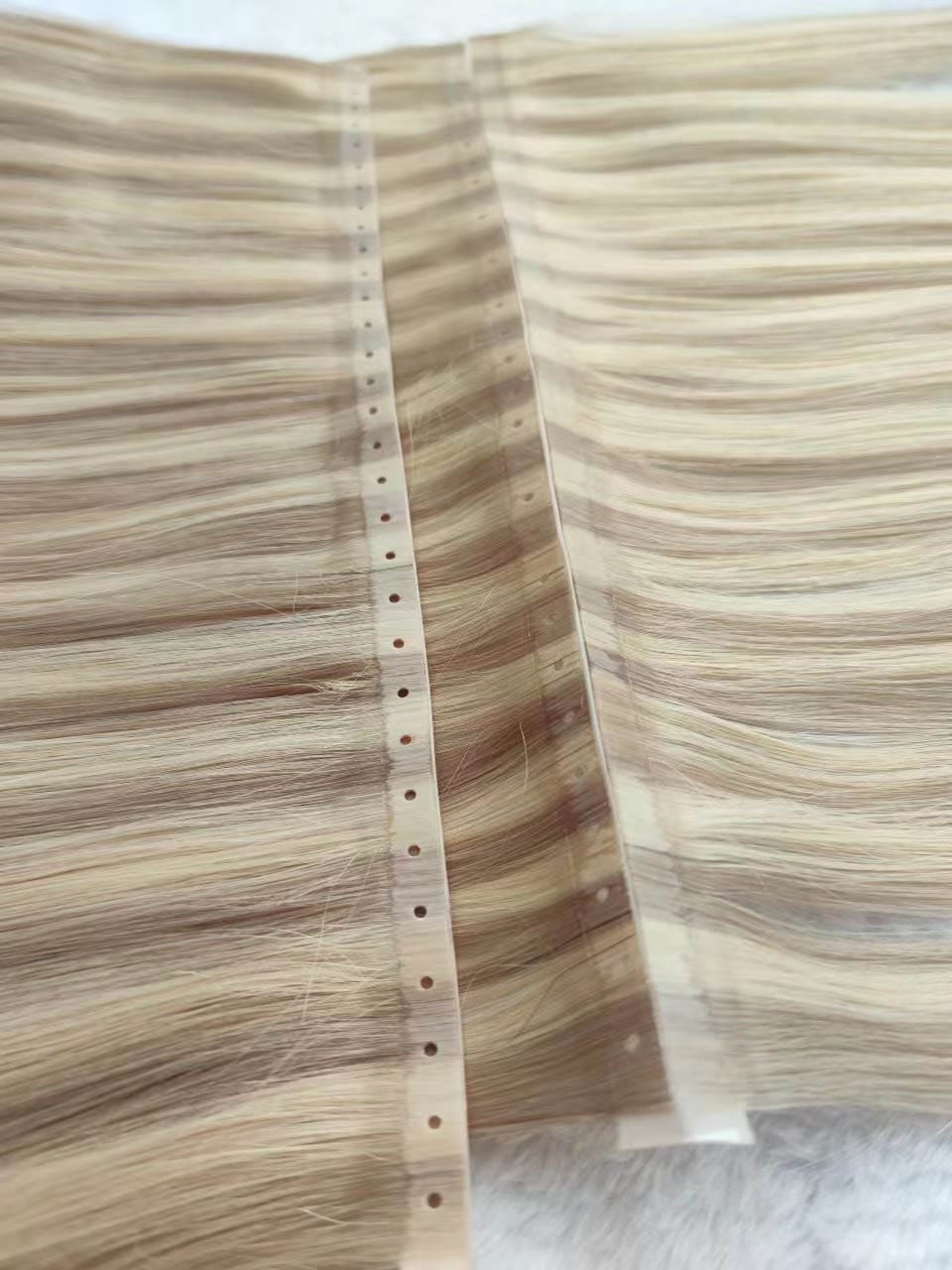
Check Color and Length Options →
06 / Actual Use
Installation and Daily Use Decide the Final Feeling
A fine-hair install should begin with coverage checks. The natural hair above the row must hide the weft while still looking relaxed. Therefore, the row should be checked while the hair falls straight, moves forward, lifts slightly, and returns to place. This small test can prevent many visible-row problems.
Placement should also respect common styling habits. A low ponytail needs a row that does not pull at the nape. A tucked-behind-the-ear finish needs careful side planning. Loose waves need the extension hair to blend into the natural layers. Each daily scene changes the best install map.
Tension must stay gentle and even. Fine hair can feel pressure quickly when a stitch or bead sits too tight. A secure install should not feel sharp, heavy, or stressful near the scalp. If discomfort appears during the appointment, the row plan should be adjusted rather than ignored.
Brushing should feel simple. The hair should be brushed from the ends upward while the base is supported. This protects the attachment area and keeps tangling under control. A quick demonstration after installation is often more useful than a long aftercare speech.
Washing should clean the scalp without rough circular scrubbing at the row. Conditioner should focus on mid-lengths and ends, not the attachment area. After washing, the base should dry fully before sleep. Fine hair can trap moisture near close rows, so careful drying supports comfort and freshness.
Heat styling should stay moderate. Extension hair can be curled, waved, or smoothed, yet repeated high heat can reduce softness. A controlled temperature, heat protectant, and fewer tool passes help maintain the soft finish that fine-hair services need.
07 / Styling Scenes
Build the Service Around Real Styling Scenes
The strongest extension menus describe outcomes, not only methods. “Fuller ends,” “soft event waves,” “natural length,” and “dimensional blonde support” are easier to understand than a technical product label alone. Therefore, Butterfly Weft should be connected to the way hair needs to perform.
For a fuller blowout, the weft can support body through the lower section. Fine hair often loses shape after styling, especially near the back and sides. A well-planned row can help the hair look rounder and more polished without making the top look thick or stiff.
For soft waves, the added hair can blend with natural layers and create a fuller visual rhythm. Waves are forgiving, but they should not be used to hide poor product selection. The color, weight, and cut still need to work when the hair is straight or lightly brushed out.
For event styling, the weft can provide structure for wedding waves, photo sessions, and formal finishes. However, event hair moves, gets touched, and appears from many angles. Because of that, the row should be planned for camera, comfort, and long wear, not only the first mirror check.
For color services, Butterfly Weft can add brightness or depth without another chemical process. This can be useful when fine natural hair feels delicate. Still, the tone should connect with existing color work so the extension looks like a planned part of the style.

Open Butterfly Weft Page →
08 / Common Mistakes
Mistakes That Make Fine-Hair Wefts Look Less Natural
The first mistake is choosing too much weight. A fuller bundle can look exciting in the hand, but fine hair may not carry that weight comfortably. The result can feel heavy, show at the top, or lose softness after a few days. Therefore, a smaller and better-distributed amount often looks more premium.
The second mistake is placing the row too high. Fine hair near the crown can separate easily, especially after washing or during movement. A lower placement may seem conservative, yet it often creates a cleaner daily result. The best install is not the highest possible row; it is the row that stays hidden.
Another mistake is matching only the ends. The root and mid-lengths matter just as much. When the top shade looks disconnected, the weft can become visible even if the ends look beautiful. A full color story creates a more natural transition.
Poor cutting can also weaken the result. Fine hair often needs soft blending after installation. Without shaping, the natural ends may sit like a shelf above the extension hair. Face-frame refinement, perimeter control, and soft internal shaping help the added hair become part of the haircut.
Finally, vague care guidance creates avoidable problems. Fine hair needs simple habits that can be repeated: brush from the ends, support the base, dry the row before sleep, avoid heavy buildup, and return for maintenance before the row grows too far out.
09 / Stock Logic
Stock Planning for Fine-Hair Extension Services
A strong wholesale plan begins with service scenes. Fine-hair volume, moderate length, color enhancement, event styling, and premium row work each need different shade and gram logic. Therefore, stock should follow the services that actually repeat, not random color curiosity.
Core colors should come first. Natural black, dark brown, chocolate brown, medium brown, rooted blonde, beige blonde, ash blonde, and soft balayage blends often create a practical base. Seasonal colors can be added later when demand becomes clear.
Length planning should also stay focused. Shorter and medium lengths can support volume services, while longer lengths can support transformation work. A balanced range prevents one product group from sitting unused while another service lacks supply.
Sample records make reorder decisions easier. Each test should note color, length, gram, seam feel, wash behavior, end fullness, styling response, and service fit. Over time, these notes become a purchasing system that reduces waste and improves consistency.
Packaging clarity also matters. Length, color, texture, and weight should be easy to identify. A clean stock room supports faster consultation, smoother installation prep, and fewer shade mistakes during busy appointment days.
10 / Extended Reading
Helpful Product Pages for Further Review
A fine-hair product decision usually becomes easier after comparing several related pages. The links below support deeper review without interrupting the main article flow. Each destination leads to an active Surblond Beauty page for product education or sourcing navigation.
11 / Inquiry Direction
Make the Sample Inquiry Specific
A strong inquiry saves time because it gives the factory a clear service picture. Instead of asking only for a catalog, the message can include target method, fine-hair use case, preferred color family, length range, gram expectation, and texture needs. This helps the product discussion become practical from the first reply.
For Butterfly Weft, useful questions include seam feel, custom color options, available lengths, weight choices, sample timing, and reorder consistency. If the product will serve fine-hair volume services, mention that purpose. If it will support blonde color enhancement, include the desired root and end tone.
Sample requests should also include testing goals. For example, a salon team may want to test post-wash softness, color accuracy, end fullness, and row comfort. A clear testing plan helps both sides discuss the product with the same expectations.
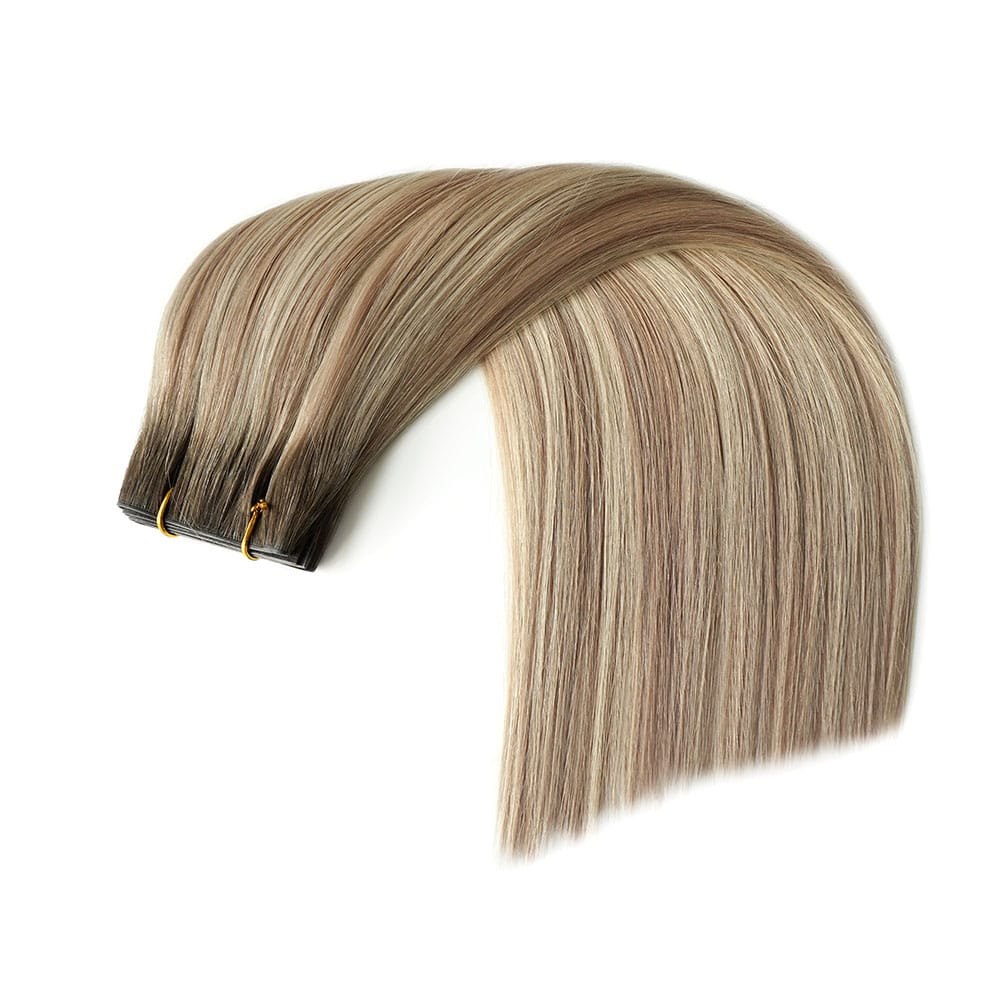
Send Butterfly Weft Sample Inquiry →
In the final decision, Butterfly Weft should be judged by how well it serves the fine-hair promise: discreet fullness, soft movement, realistic density, and manageable daily wear. The product should make the service feel easier, not more complicated.
Surblond Beauty can discuss custom colors, length planning, gram choices, textures, and sample preparation for fine-hair extension programs. For wider menu planning, related formats such as genius weft can also be reviewed alongside Butterfly Weft, tape, tip, clip-in, and other professional categories.
FAQ
Fine-Hair Butterfly Weft Questions
Is Butterfly Weft suitable for fine hair?
Butterfly Weft can suit fine hair when the service goal is soft fullness, discreet row placement, and natural movement. The product still needs the right weight, color, and install map. Fine hair should not carry unnecessary grams, especially near fragile sides or light crown coverage. A sample should be placed under a fine top layer and checked during movement before larger sourcing decisions.
How should color be selected for fine-hair services?
Color should be checked from root to ends. Fine hair can separate easily, so a mismatch near the root or mid-lengths may become visible during daily styling. Rooted blondes, soft browns, piano blends, and balayage shades often help because dimension breaks up hard lines. The shade should be reviewed in salon light, daylight, and warm indoor light before a wholesale order.
What is the best way to choose length and grams?
Length and grams should follow natural density, haircut shape, and service purpose. Fine hair often looks more natural with controlled fullness than with maximum weight. A volume service may need moderate density through the ends, while a transformation service may need more structured coverage. The safest plan spreads weight evenly and avoids placing too much hair on sections that cannot hide or support it.
What should be tested before adding Butterfly Weft to a salon menu?
A sample should be tested through real salon steps. Brush from the ends upward, wash once, dry fully, style with moderate heat, and check color in different lighting. The seam should be reviewed under a fine top layer, not only in the package. Notes should include top feel, color flow, end density, shedding during handling, post-wash softness, and final service fit.
How can daily care keep fine-hair weft services looking better?
Daily care should stay simple and consistent. Brush from the ends upward, hold the base gently while detangling, avoid heavy oils near the attachment area, and dry the row fully before sleeping. Fine hair can show buildup and tension faster than thicker hair, so clean scalp care, gentle brushing, and regular maintenance appointments help the weft stay comfortable and natural-looking for longer.